
Zippers are an essential component in the apparel and accessories industry. From jeans and jackets to handbags and outdoor gear, choosing the right zipper not only enhances functionality but also elevates the product’s design and durability. This complete guide will introduce 12 different types of zippers, their advantages, disadvantages, and best applications, helping you select the perfect zipper for your needs.
What is a Zipper?
Before we dive deeper, let's first take a quick look at what a zipper is. A zipper is a fastening device made of two rows of teeth attached to fabric tape. A slider moves along the teeth to either join them together or separate them. In simple terms, it is one of the most practical inventions in the fashion industry, found in clothing, bags, shoes, and outdoor gear. A well-made zipper closes securely, opens smoothly, and resists coming apart on its own. Now, let's take a closer look at the different parts that make up a zipper.
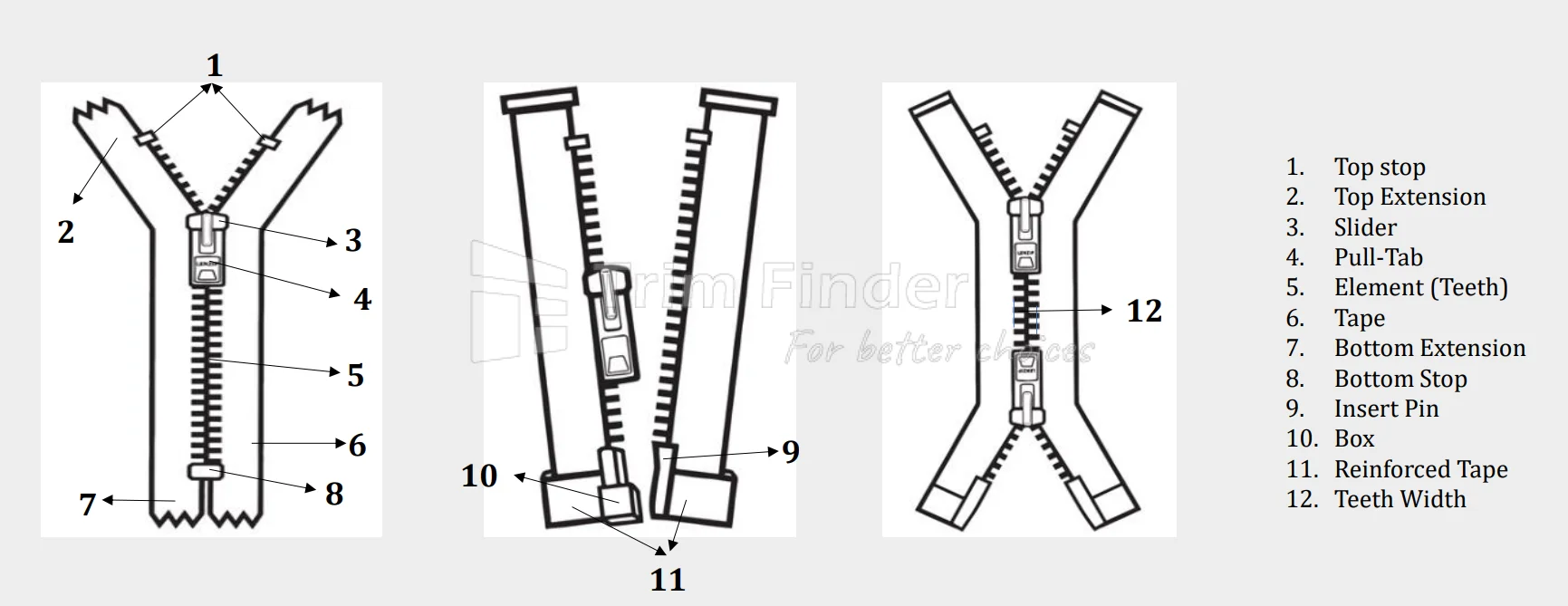
Main Zipper Parts Overview:
- Elements (Chain): The interlocking teeth or coils at the center of the zipper.
- Slider: The mechanism that opens and closes the elements by moving up or down.
- Tape: The fabric on both sides of the zipper, sewn into the garment.
- Stops: Small metal or plastic pieces at each end that prevent the slider from coming off.
- Extensions: Fabric beyond the teeth at both ends, used for sewing and finishing.
- Insertion Pin & Retainer Box (for separating zippers):
- Insertion Pin: Guides the slider into the elements.
- Retainer Box: Holds the pin and secures the zipper for proper engagement.
Zippers can be classified into several categories, with material being one of the most common ways to distinguish them. Based on material, zippers generally fall into the following types.
1. Metal Zippers
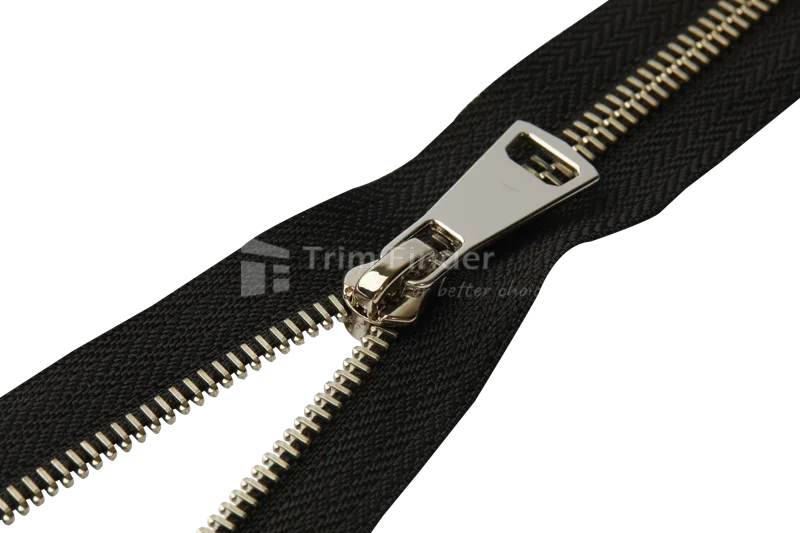
Metal zippers are the most traditional and classic type of zippers, usually made from copper, aluminum, or stainless steel. They are known for their exceptional durability, strength, and premium appearance, making them the top choice for jeans, leather jackets, handbags, and luggage. Metal zippers are often used when designers want both durability and a stylish, high-end look.
Advantages:
- Extremely durable, suitable for long-term use.
- Metallic sheen adds a decorative touch.
- Strong corrosion resistance, ideal for materials like leather and denim
Disadvantages:
- Heavier than other types, not ideal for lightweight fabrics.
2. Molded Plastic Zippers (Vislon Zippers / Resin Zippers)
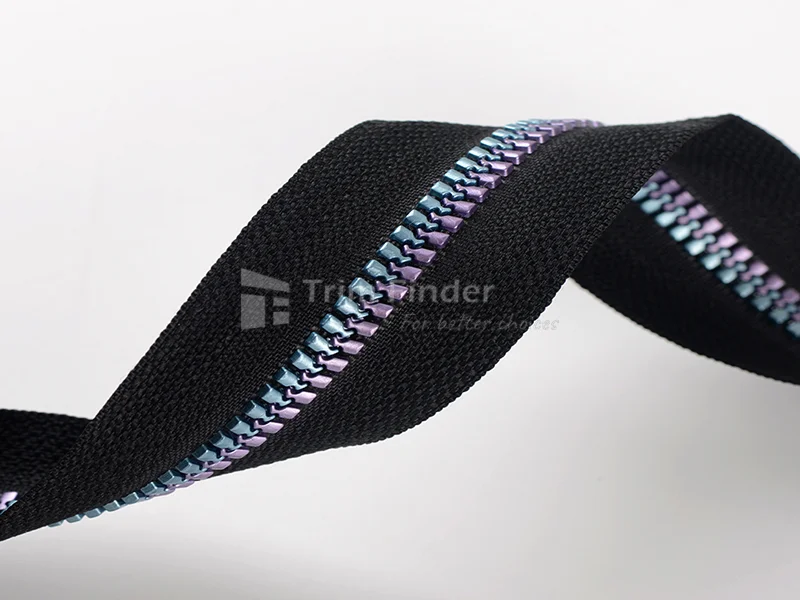
Molded plastic zippers, also called Vislon or Resin Zippers, are made from durable plastic teeth. They are lightweight, rust-proof, and available in a wide range of colors, making them highly popular for jackets, outdoor sportswear, children’s clothing, and fashion-forward designs. Compared with metal zippers, they give a more casual look and are easier to match with colorful or modern designs.
Advantages:
- Lightweight, ideal for sportswear and casual clothing.
- Good water resistance, suitable for outdoor gear.
- Available in various colors and designs, offering strong decorative appeal.
Disadvantages:
- Slightly less durable compared to metal zippers.
- Can become brittle or lose flexibility in extremely cold environments.
3. Nylon Coil Zippers
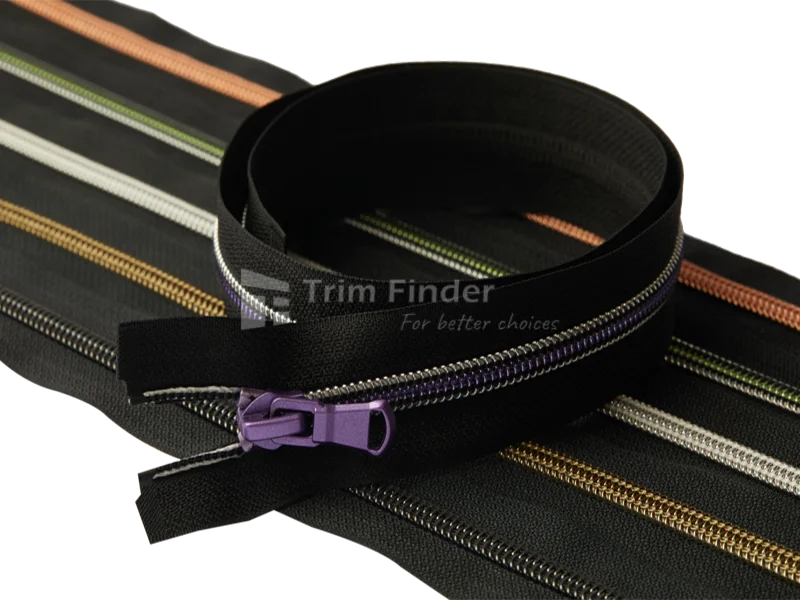
Nylon coil zippers are made from coiled nylon, offering superior flexibility, smooth sliding, and excellent abrasion resistance. They are commonly used in jackets, sports bags, backpacks, tents, and travel gear. Because they are lightweight and cost-effective, nylon zippers are often the most widely used option in the garment industry.
Advantages:
- Flexible and comfortable, ideal for lightweight clothing.
- Good abrasion resistance, suitable for garments that are frequently zipped and unzipped.
- Resistant to rust, making them suitable for humid environments.
Disadvantages:
- Nylon material can degrade under extreme temperatures.
- The appearance may not be as stylish as metal zippers.
In addition to material, zippers can also be classified based on their structure and function. Let's take a look at the main types.
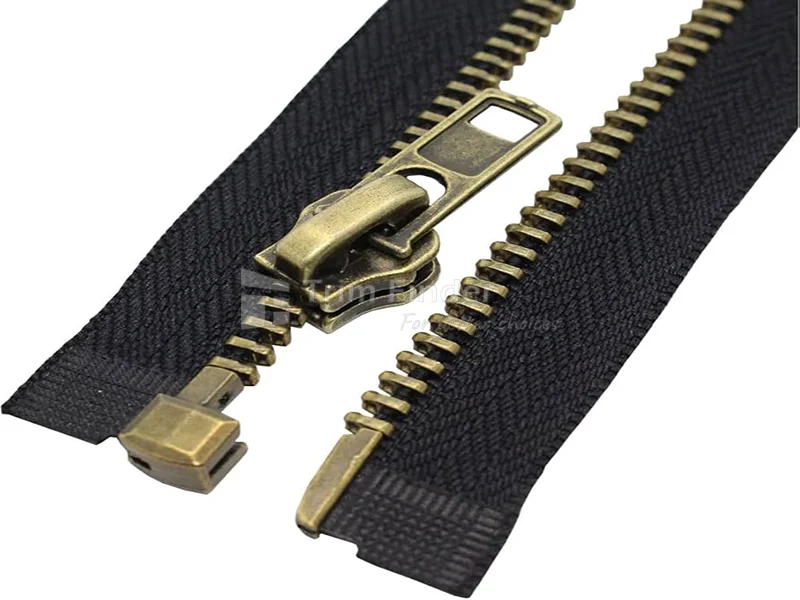
4. Separating Zippers
Separating zippers, also called open-end zippers, can be completely detached when unzipped. This makes them perfect for jackets, coats, hoodies, sportswear, and outerwear where the garment needs to be opened fully. With a box-and-pin mechanism at the bottom, these zippers are both practical and professional-looking, which is why they are commonly found in casual wear and outdoor jackets.
Advantages:
- Easy to put on and take off garments quickly.
- Ideal for outerwear that needs full opening.
- Provides a clean and professional finish.
Disadvantages:
- More complex structure increases cost.
- Potential risk of misalignment over time if frequently used.
5. Non-Separating Zippers
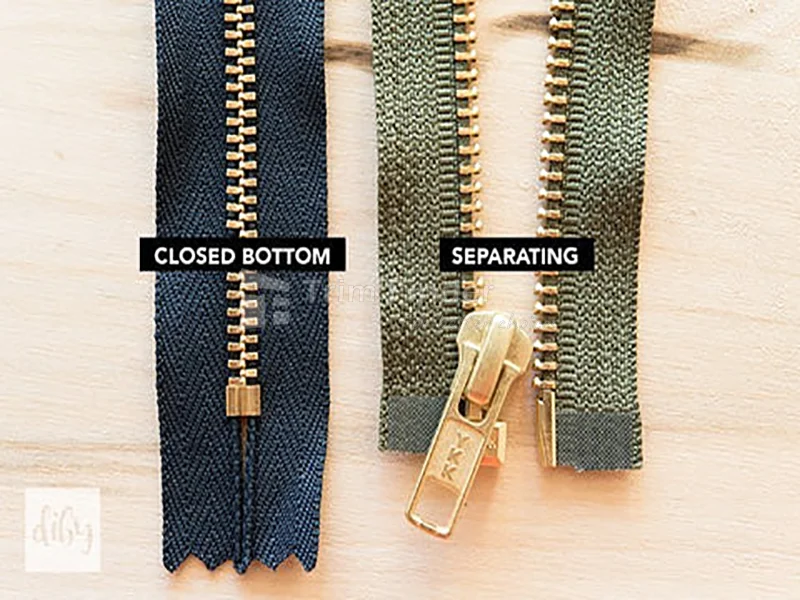
Non-separating zippers, or closed-end zippers, stay connected at the bottom and cannot be fully opened. They are commonly used in pants, skirts, dresses, cushions, and handbags, where only partial opening is needed. Their simple design and affordability make them one of the most popular zipper types for everyday clothing and accessories.
Advantages:
- Simple and cost-effective design.
- Provides strong closure for areas that don’t need full opening.
- Widely applicable across garments and accessories.
Disadvantages:
- Not suitable for items that require full separation.
- May limit functionality in some garment designs.
6. One-Way Zippers
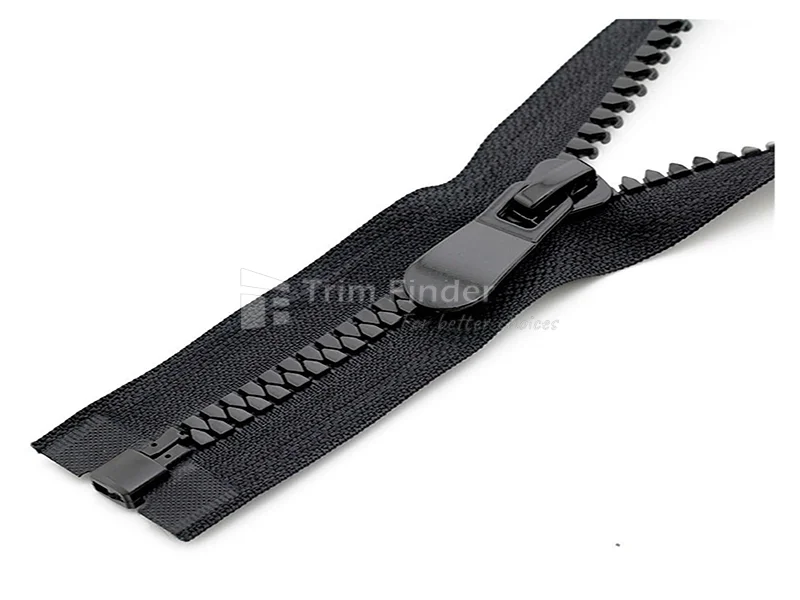
One-way zippers have a single slider that moves in one direction, opening or closing the zipper from one end. They are widely used in most clothing items, including trousers, skirts, dresses, and bags. This is the most common type of zipper.
Advantages:
- Simple to use and cost-effective.
- Ideal for standard clothing and accessories.
- Low maintenance and reliable.
Disadvantages:
- Not suitable for long items that may require opening from both ends.
- imited functionality for ventilation or accessibility.
7. Two-Way Zippers
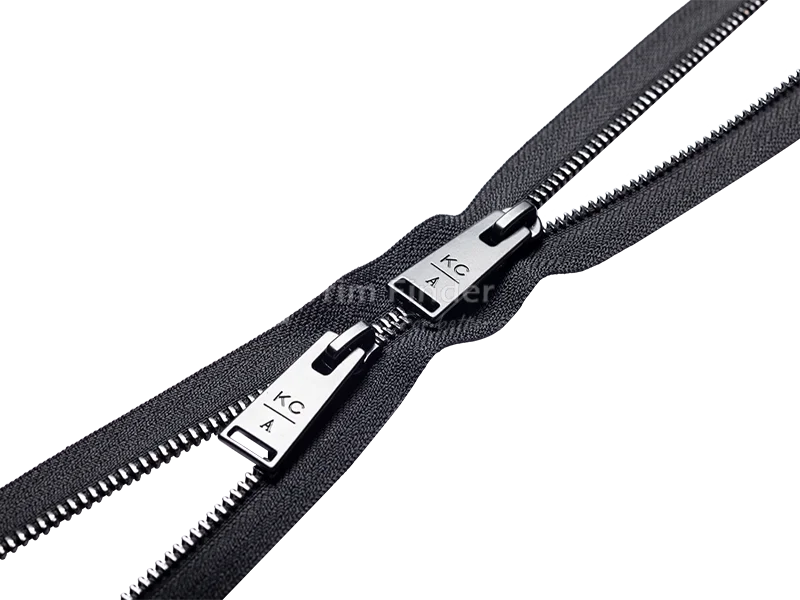
Two-way zippers have two sliders, allowing the zipper to be opened from both ends, making them versatile for long coats, jackets, luggage, and sleeping bags. They provide extra convenience for sitting, walking, or accessing items without fully unzipping. Because of their flexibility and practicality, two-way zippers are widely used in outdoor wear and heavy-duty bags.
Advantages:
- Allows for better ventilation or access from both ends.
- Convenient for sitting or moving while wearing long garments.
- Ideal for travel or outdoor equipment.
Disadvantages:
- More complex structure increases cost.
- Higher chance of jamming or misalignment if not handled carefully.
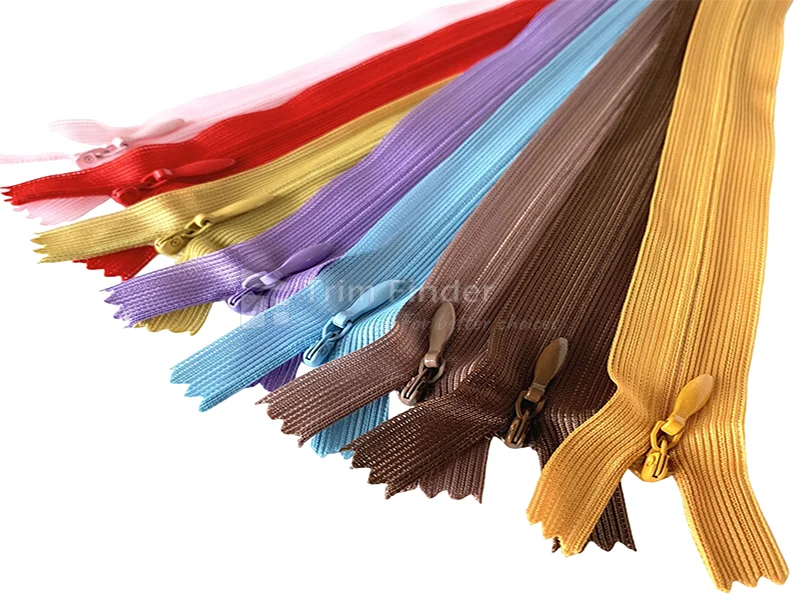
6. Invisible Zippers
Invisible zippers are designed so that the teeth are hidden inside the fabric tape, making them almost invisible when closed. They are mainly used in dresses, skirts, gowns, and formal wear, where a smooth and elegant finish is required. Usually made from nylon, invisible zippers are lightweight and flexible, making them perfect for fashion clothing and high-end garments.
Advantages:
- Provides a sleek, seamless appearance.
- Perfect for elegant and formal designs.
- Lightweight and easy to sew into garments.
Disadvantages:
- Less durable than exposed zippers.
- May be more difficult to align or repair.
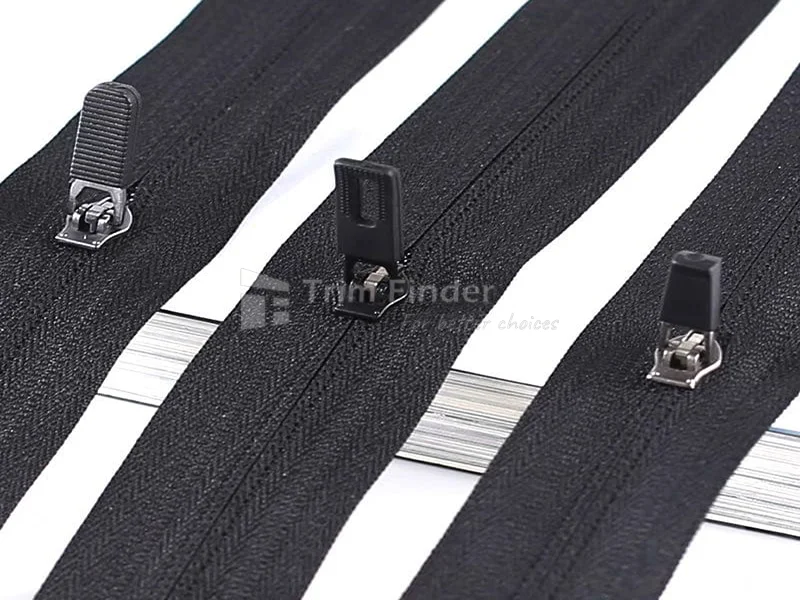
7. Reverse Zippers
Reverse zippers are designed with the teeth facing inward, giving a smooth and modern appearance on the outside. They are commonly used in sports jackets, fashion wear, and luggage, where a clean and stylish look is important. Reverse zippers also help protect the teeth from dust and scratches, making them practical for outdoor gear and travel bags.
Advantages:
- Clean, modern appearance with hidden teeth.
- Reduces friction and snags on the outside.
- Suitable for both fashion and functional designs.
Disadvantages:
- Can be slightly more expensive due to design.
- May be less accessible for repair or slider replacement.
Besides the above main types, there are also special types of zippers designed for specific functional needs and design scenarios. Here are some common types of special zippers:
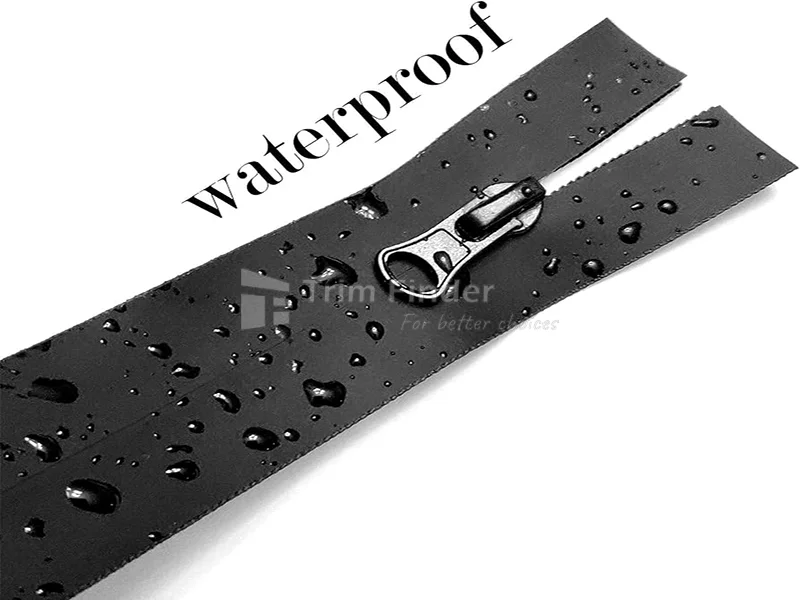
8. Waterproof Zippers
Waterproof zippers feature special coatings or rubberized tapes that prevent water from entering through the teeth. They are essential for rain jackets, outdoor gear, marine clothing, and technical backpacks, where water resistance is required. Besides functionality, waterproof zippers also add a sleek and modern look to the design.
Advantages:
- Prevents water from entering, ideal for outdoor use.
- Protects contents or inner garments in wet conditions.
- Modern look with coated finishes.
Disadvantages:
- Tends to be stiffer and harder to zip.
- More expensive due to specialized materials.
9. Heavy Duty Zippers
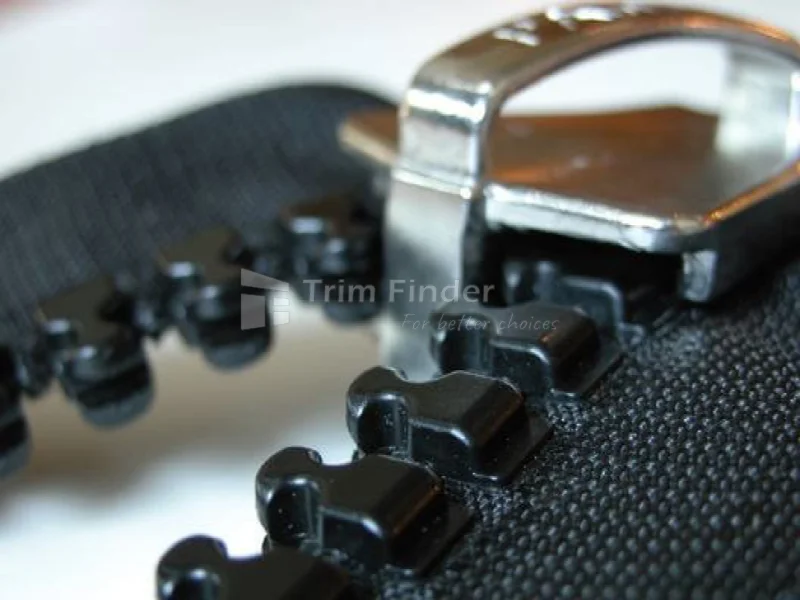
Heavy-duty zippers are made with larger teeth, reinforced tape and robust sliders, designed for high-durability applications such as workwear, uniforms, military gear, outdoor gear, and luggage, where durability and strength are crucial. These zippers are ideal for heavy garments and industrial applications.
Advantages:
- Exceptionally strong and long-lasting.
- Performs well under high-stress use.
- Suitable for rugged environments and heavy items.
Disadvantages:
- Heavier and bulkier than standard zippers.
- May not suit lightweight or delicate fabrics.
10. Magnetic Zippers
Magnetic zippers use embedded magnets instead of traditional sliders to close the zipper. They are designed for children’s clothing, adaptive wear, and people with limited mobility, offering convenience and accessibility. Magnetic zippers are becoming more popular in innovative fashion and healthcare garments.
Advantages:
- Extremely user-friendly, especially for people with limited mobility.
- Quick and easy to fasten.
- Innovative design adds modern appeal.
Disadvantages:
- Still relatively new, higher manufacturing cost.
- May not be suitable for environments with strong magnetic interference.
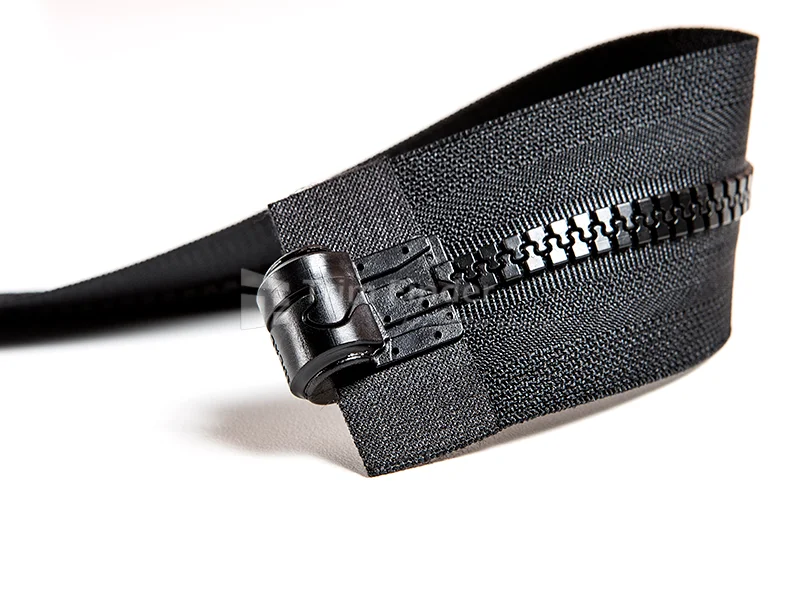
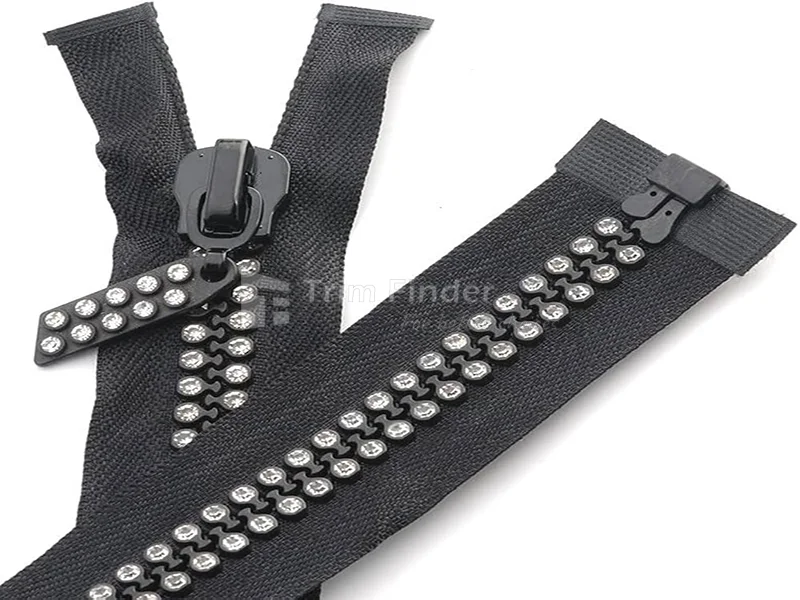
11. Decorative Zippers
Decorative zippers are designed not only for functionality but also as a fashion element. They often feature unique finishes, oversized sliders, colorful tapes, or special teeth shapes. These zippers are commonly used in fashion-forward clothing, shoes, bags, and accessories where visual impact is important. Designers often choose decorative zippers to create a trendy, eye-catching look that adds personality to the garment.
Advantages:
- Adds aesthetic value and unique character to garments.
- Available in various styles, colors, and finishes.
- Customizable to suit different fashion designs.
Disadvantages:
- May be less durable than functional zippers if used mainly for appearance.
- Higher cost due to custom designs or materials.
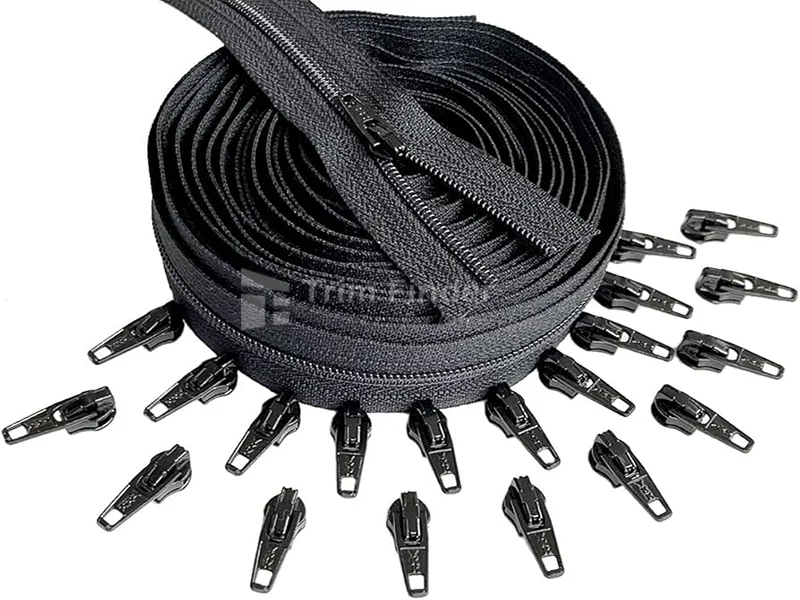
12. Continuous Zippers / Zipper Chain by the Yard
Continuous zippers, also known as zipper chain by the yard, are sold in rolls without sliders or stops. They are designed to be cut to custom lengths and assembled as needed, making them ideal for mass production, upholstery, bags, tents, cushions, or any application requiring non-standard zipper lengths.
Advantages:
- Highly customizable for different lengths and uses.
- Cost-efficient for bulk or industrial use.
- Easy to store and transport in roll form.
Disadvantages:
- Requires manual assembly with sliders and stops.
- Not suitable for applications requiring precise or decorative finishes.
Each type offers unique advantages and is suited for different applications. Choosing the right zipper enhances not only the functionality but also the aesthetic appeal of the garment. By understanding the properties of each zipper material, manufacturers can make more forward-thinking decisions based on the garment’s needs, production requirements, and market trends. Ultimately, selecting the right zipper adds value to the product and ensures better quality and comfort for the consumer.
Contact Information:
Our company, SHANGHAI HIGER GARMENT ACCESSORIES CO.LTD, specializes in zipper production, welcome professionals and companies with accessory needs from all over the world to communicate and negotiate with us. For detailed product information, please visit our official website at http://higer-zipper.com , we look forward to your business to provide high-quality, high standards and professional services.
For any questions or further information, please contact us via:
Phone:+86 135 2414 2125
Email: cs-1@allin-higer.com
Website: https://higer-zipper.com