
Introduction: The Power of Rubber Patches
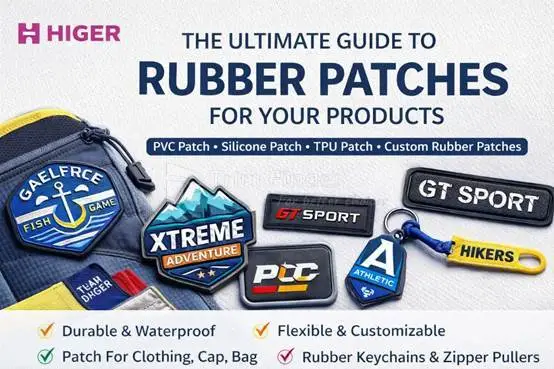
As a leading professional patch manufacturer, HIGER offers an extensive range of rubber patches tailored for all kinds of applications. Rubber patches are popular choices for their durability, customizability, and aesthetic appeal. Whether for clothing, footwear, accessories, or promotional products, rubber patches can elevate your branding and enhance your product design.
This comprehensive guide will explore everything you need to know about Rubber Patches, including their materials, applications, advantages, disadvantages, and how to choose the best rubber patch for your products.
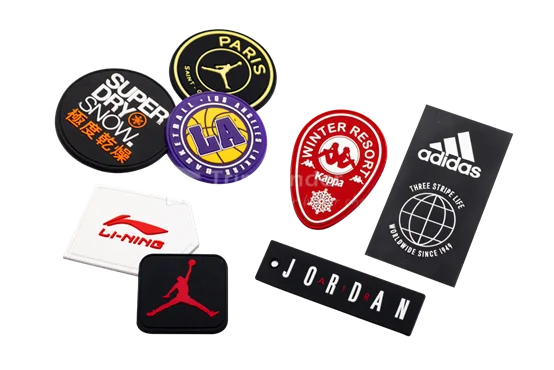
1. What Are Rubber Patches?
Rubber Patches are custom-designed logos, labels, or designs made from high-quality rubber materials such as PVC (Polyvinyl Chloride), silicone, TPU (Thermoplastic Polyurethane), and others. These patches are molded or die-cut into various shapes and sizes, offering both functional and decorative features.
They are commonly used to enhance the appearance of garments, bags, footwear, caps, and various accessories. Rubber patches are highly durable, weather-resistant, and offer a 3D effect that makes logos and designs stand out.
Best Rubber Patch for Your Branding
Rubber patches are perfect for branding as they provide a robust and long-lasting way to display your logo or custom design. They can withstand wear and tear while maintaining their vibrant colors and textures. Whether you want a subtle logo or a bold design, rubber patches are the best choice.
2. Types of Rubber Patches and Their Features
PVC Patch
PVC patches are one of the most popular types of rubber patches. Made from durable PVC material, they are widely used for their ability to replicate intricate designs in high detail. PVC patches are versatile, lightweight, and offer a wide range of color options.
- Key Features: High durability, water-resistant, long-lasting, available in 2D and 3D designs.
- Best Use: Ideal for jackets, bags, and shoes.
Silicone Patch
Silicone patches are flexible, durable, and provide a soft rubber-like feel. They are a popular choice for a variety of applications, including clothing and accessories. Silicone patches have excellent resistance to environmental factors and offer high customization possibilities.
- Key Features: Flexible, heat-resistant, highly customizable.
- Best Use: Outdoor wear, promotional items, and sports apparel.
TPU Patch
TPU (Thermoplastic Polyurethane) patches are another popular rubber material known for their toughness and resistance to wear and tear. TPU patches offer superior durability and a glossy finish, making them ideal for premium products.
- Key Features: Highly durable, scratch-resistant, glossy finish.
- Best Use: High-end apparel, sportswear, and footwear.
Felt Patch
Felt patches are a combination of fabric and rubber, offering a soft texture that can add a unique touch to garments and accessories. They are available in a variety of colors and are often used for fashion products.
- Key Features: Soft texture, customizable, and eco-friendly.
- Best Use: Apparel and fashion accessories.
Suede Patch
Suede patches are made from synthetic or real suede material, offering a luxurious, high-quality finish. Suede patches are used in high-end fashion items and are ideal for creating a premium look.
- Key Features: Soft feel, high-end finish.
- Best Use: Premium apparel, bags, and accessories.
3. Advantages of Rubber Patches
Rubber patches offer a wide array of benefits that make them the ideal choice for many products. These include:
- Durability: Rubber patches are resistant to wear and tear, making them long-lasting and suitable for products that see frequent use.
- Water Resistance: Rubber is naturally water-resistant, making these patches ideal for outdoor and sports products.
- Customization: Rubber patches can be easily customized in different shapes, sizes, and colors, offering endless design possibilities.
- Cost-Effective: Compared to embroidered patches, rubber patches are often more affordable, especially for large orders.
- Aesthetic Appeal: The 3D effect of rubber patches provides a bold, modern look, making them ideal for branding.
4. Applications of Rubber Patches
Rubber patches can be applied across a wide variety of industries and products. Some common applications include:
Patch For Clothing
Rubber patches are commonly used on jackets, shirts, and other garments. Their durability and design flexibility make them a top choice for fashion brands.
Patch For Cap
Rubber patches add a stylish touch to hats and caps, providing a more modern alternative to traditional embroidered patches.
Patch for Bag
Bags, particularly high-end and branded bags, often feature rubber patches to enhance the design and provide a durable branding solution.
Rubber Keychain
Rubber keychains are another great use for rubber patches. Custom designs can be made for promotional giveaways, creating a functional and decorative item.
Shoe Charm
Rubber shoe charms are highly customizable and popular in the footwear industry, adding personality and flair to shoes.
Rubber Zipper Puller
Rubber zipper pullers offer functionality and branding at the same time, commonly found on outdoor gear, bags, and jackets.
5. Choosing the Right Rubber Patch for Your Product
When choosing the right rubber patch, consider the following factors:
- Material: PVC, silicone, and TPU are the most common materials used for rubber patches. Select based on the desired durability and finish.
- Design: Choose the right shape, color, and texture that aligns with your brand image.
- Functionality: Determine whether the patch will serve a decorative or functional purpose.
- Customization: Work with manufacturers like HIGER to ensure your patch meets specific branding requirements.
- Cost: Choose the right balance between cost and quality. Custom rubber patches are affordable for large orders but can be premium-priced based on material and complexity.
6. Customization and Branding with Rubber Patches
Custom rubber patches are an excellent way to promote your brand. HIGER offers customization services to create the perfect design for your needs. You can choose the material, colors, shape, and branding elements, such as custom logos and 3D effects.
- Logo Placement: Ensure that your logo is clearly visible on your rubber patch. A debossed logo or embossed logo will enhance the visibility and aesthetic.
- Design Options: Choose from a variety of finishes such as hot stamping, silk printing, or screen printing for logos and text.
7. Comparative Analysis: Rubber vs. Advanced Patch Technologies
In modern manufacturing, selecting a patch involves analyzing the weight-to-durability ratio and the application environment. HIGER offers a diverse material portfolio to meet these specific engineering needs.
| Feature | Soft PVC / Silicone | TPU (High-Tech) | Felt / Chenille | Embroidery | Genuine Leather |
| Durability | Extreme: Waterproof & UV-resistant. | High: Superior abrasion resistance. | Low: Decorative; prone to pilling. | Moderate: Prone to fraying. | High: Long-lasting but moisture-sensitive. |
| Weight | Heavy: Solid, durable density. | Ultra-Light: Thinnest profile. | Light: Soft and porous. | Moderate: Thread density varies. | Heavy: Natural skin density. |
| Texture | Rubberized / Silky | Smooth / Metallic / Matte | Soft / Fuzzy / Vintage | Threaded / Stitched | Grainy / Rugged |
| 3D Effect | Superior: Multi-layer relief. | Sharp: Crisp, clean edges. | High: "Puffy" high-pile look. | Moderate: Thread layers. | Deep: Debossed texture. |
| Application | Tactical, Outdoor, Bags. | Sportswear, Tech-wear. | Varsity, Kids, High-Fashion. | Corporate, Casual. | Denim, Luxury, Jackets. |
8. Rubber Patch Care and Maintenance
To ensure the longevity of your rubber patches, follow these care tips:
- Cleaning: Wipe rubber patches with a damp cloth to avoid dirt buildup.
- Storage: Avoid excessive exposure to direct sunlight to prevent fading.
- Washing: If the patch is on a garment, machine wash it gently or hand wash to preserve its quality.
9. Sustainability and Eco-Friendly Rubber Patches
Sustainability is an essential factor for many businesses today. HIGER offers eco-friendly rubber patches that are made from sustainable materials. For example, recycled PVC and biodegradable materials are used in the manufacturing process.
10. Frequently Asked Questions (FAQs)
Q1: Can rubber patches be used on any fabric?
Yes, rubber patches can be used on a variety of fabrics, including cotton, polyester, nylon, and leather.
Q2: Are rubber patches waterproof?
Yes, rubber patches are naturally resistant to water, making them ideal for outdoor gear and sports apparel.
Q3: How do I customize my rubber patch?
HIGER offers full customization services, including logo design, color matching, and specific finishes like embossed or debossed logos.
11. Conclusion
Rubber patches are an excellent option for any business looking to enhance their products with durable, customizable, and functional branding solutions. Whether you need PVC patches, silicone patches, or any other type of rubber patch, HIGER is here to provide you with high-quality solutions that meet your specific needs.
Visit our website www.higer-zipper.com to learn more about our products or get a custom quote today!