
Not sure which zipper is right for your project? You’re not alone! With so many types, sizes, and styles available, choosing the perfect zipper can be overwhelming. But don’t worry—we’ve got you covered. In this simple guide, we’ll break down everything you need to know to pick the best zipper with confidence. Keep reading to find the perfect match for your design!
1. Zipper Material / Type of Zipper
First of all, it’s important to decide which type of zipper you might need or prefer. The main types of zippers are Metal zipper, Molded Plastic Zipper (also called Vislon Zipper or Resin Zipper) and Nylon Coil Zippers. Coil zippers are further divided into regular Coil zippers and Invisible zipper. Metal zippers can be plated in various colors to match your needs, with popular options like shiny/matte gold, silver, gunmetal, antique copper, and black nickel etc. These colors can be customized based on your preference.
When choosing a zipper, here are some simple guidelines:
- Metal zippers are strong and durable, making them perfect for heavy items like jackets, bags, and suitcases.
- Molded Plastic Zippers are lightweight, resistant to corrosion, and come in a variety of colors, making them great for outdoor clothing and gear.
- Nylon Coil Zippers are the lightest and most flexible, ideal for lighter clothing, backpacks, tents, and more.
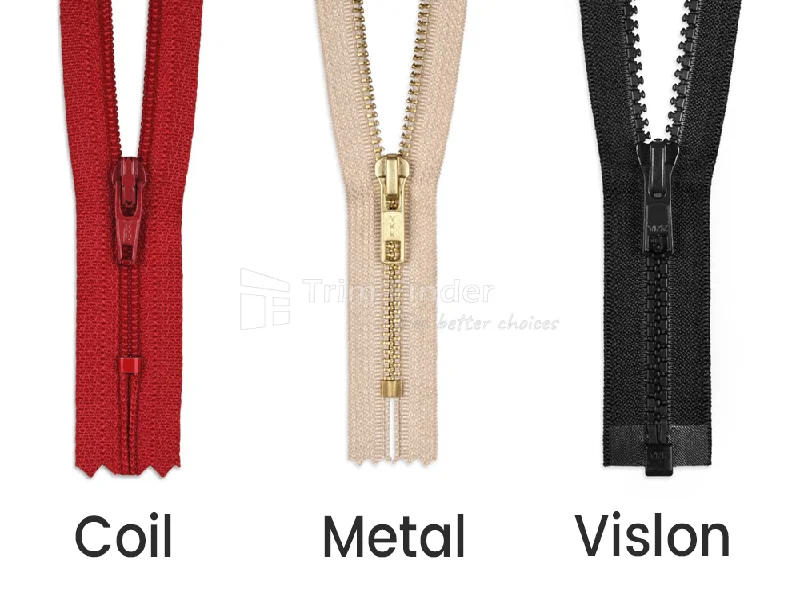
shop for Molded Plastic Zippers
2. Zipper Size / Zipper Gauge
Next, you may want to decide on the zipper size (zipper Gauge) that suits your needs. Zipper size or Zipper Gauge is usually represented by a number, which refers to the width of the zipper teeth when the zipper is fully zipped. When you see a number with a "#" symbol next to it, that’s the zipper’s size.
The size of the zipper also indicates its strength: the higher the number, the stronger and more durable the zipper. Common zipper sizes include #3, #5, #8, and #10. For example, if you're using the zipper on a heavy coat, you might choose a #5 or #8 zipper. For lighter items like a sun shirt or pillow, a #3 zipper would be more appropriate.
If you're replacing an existing zipper, it’s usually best to stick with the same size, unless you're not happy with the current one.
3. Separating Zipper or Closed-End Zipper ?
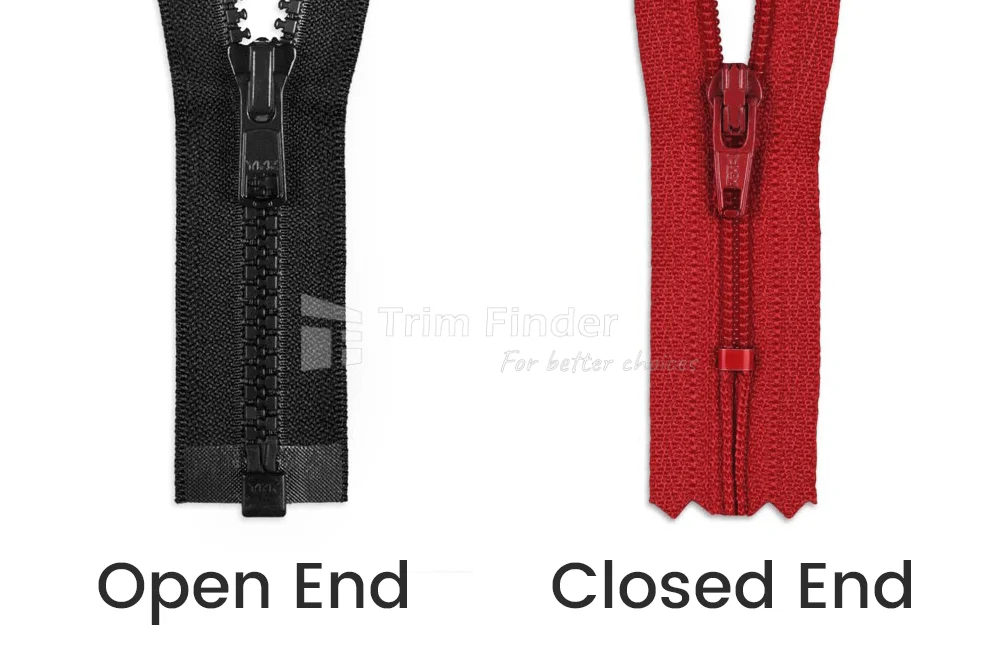
The next step is to think about whether you need a separating zipper or a closed-end zipper. A Separating Zipper, also known as an Open-End zipper, is one where both ends can fully separate, making it ideal for items that need to open completely. This zipper has a pin and box at the bottom, allowing the two sides to completely separate when unzipped. It is commonly used in jackets, coats, and luggage which they require a zipper can fully open.
A separating zipper can be further categorized into One-Way Zipper and Two-Way Zipper (also called Single-End Zipper and Double-End Zipper). Whether a zipper is one-way or two-way is determined by how many sliders are on the zipper track. Most zippers have one slider and are therefore one-way zippers, it opens only from one end. However, some zippers have two sliders and are therefore called “two-way zippers”, it can open from both ends, allowing it to be unzipped from either side. This type is often used in luggage, tents, or certain types of outerwear where both ends need to be opened for greater flexibility or ventilation.
A Closed-End Zipper, also known as a Non-Separating Zipper, is a zipper whose ends are sealed and cannot separate, typically without a pin and box at the bottom. Closed-end zippers are commonly used in pants, skirts, and backpacks, where the zipper doesn't need to open fully.
It’s important to note that a closed-end zipper cannot be converted into a separating zipper, as they are built with different structures. Separating zippers have specific components like a pin and box at the bottom, which can't be simply added to a closed-end zipper.
4. Zipper Length
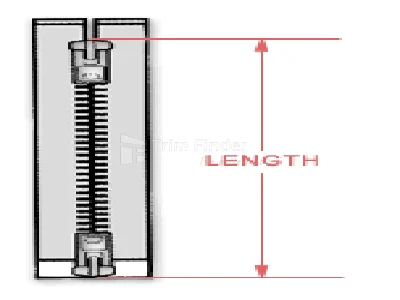
When choosing a zipper, it's important to get the right length. The zipper should match the size of the opening in your item, like a jacket or bag. It’s best to choose a zipper that’s a little longer than the opening to allow for ease of use and proper alignment. If you're replacing an old zipper, make sure to measure the existing one carefully to ensure the new one fits perfectly. Getting the right zipper length will make sure it works well and lasts longer.
5. Zipper Color
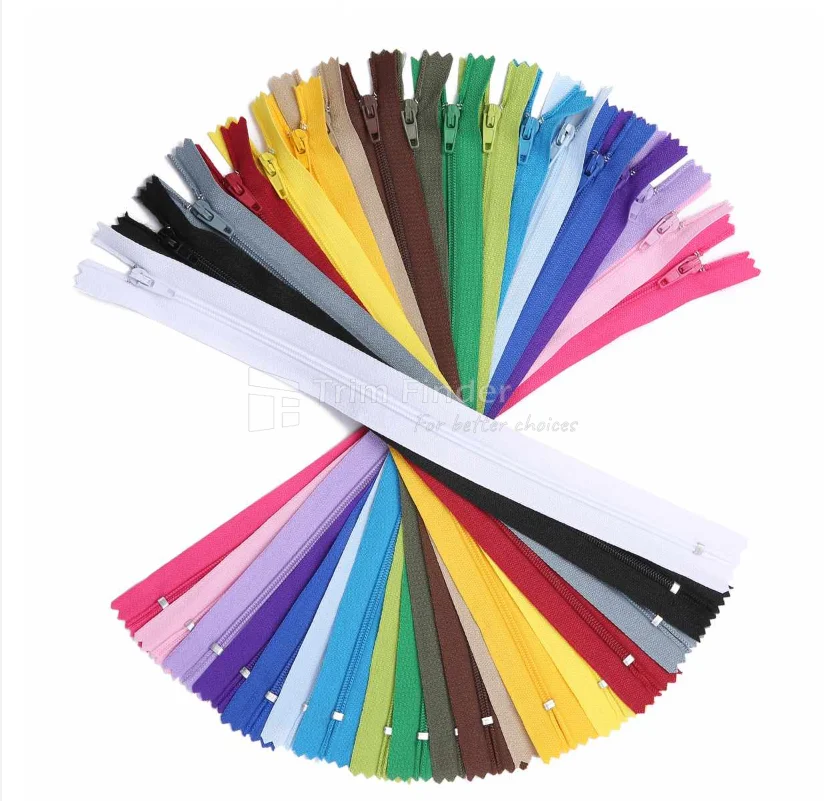
Zipper Color mainly includes zipper fabric tape color and zipper teeth color. Zipper fabric tape can be customized to match your specific needs. For Molded Plastic Zippers and Nylon Coil Zippers, the color of the teeth can also be customized, and in most cases, it will match the color of the fabric tape. However, for Metal Zippers, the teeth color can only be the plated metal colors, with common options including gold, silver, black nickel, and antique brass etc.
Still not sure?
You can always feel free to contact us with questions about your specific project. We'll be happy to help you with your zipper selection!
Contact Information:
Our company, SHANGHAI HIGER GARMENT ACCESSORIES CO.LTD, specializes in zipper production, welcome professionals and companies with accessory needs from all over the world to communicate and negotiate with us. For detailed product information, please visit our official website at http://higer-zipper.com , we look forward to your business to provide high-quality, high standards and professional services.
For any questions or further information, please contact us via:
Phone:+86 135 2414 2125
Email: cs-1@allin-higer.com
Website: https://higer-zipper.com