
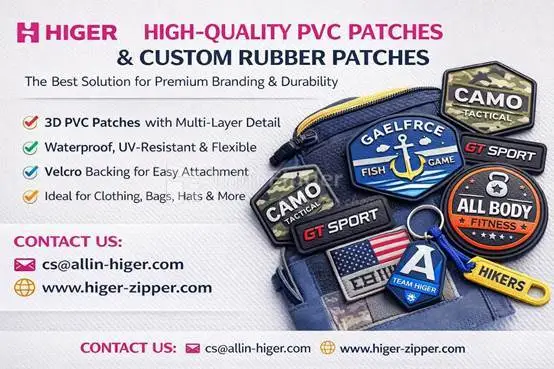
PVC (Polyvinyl Chloride) patches are versatile, durable, and a preferred choice for a wide range of applications, such as military insignia, corporate branding, and promotional items. The robustness and flexibility of PVC patches make them ideal for harsh environments where traditional embroidered patches might fail. This comprehensive guide delves into the detailed process of manufacturing PVC rubber patches, covering everything from initial design to final production, and highlights how to create the best custom patches for your needs.
1. Introduction to PVC Patches
PVC patches, made from a synthetic plastic polymer, offer superior strength and durability compared to traditional embroidered patches. These rubber patches are highly resistant to weather conditions, abrasion, and water, making them an excellent choice for military uniforms, corporate branding, and promotional items. PVC's unique properties also allow for intricate designs and customizations, ensuring that the patches stand out in any environment.
Whether you're looking for 3D PVC patches or PVC patches with Velcro, the possibilities are endless. In this guide, we’ll explore everything from design creation to application methods, helping you make informed decisions about the best patch solution for your product.
2. Design Phase
2.1 Conceptualization
The design phase is crucial in manufacturing PVC patches. Here, you will decide on the size, shape, and overall look of the patch. Whether you need a pvc rubber patch, reflective patch, or a leather patch, each design must be carefully crafted to suit your brand's identity or product requirements.
Key considerations:
- Purpose: What is the patch's primary use? Is it for branding, decoration, or function? This will influence the design's elements, such as text or symbols.
- Shape and Size: PVC patches come in various shapes, including circles, squares, rectangles, and even custom shapes. Size will depend on the application, such as patches for clothing, patches for bags, or patches for caps.
- Colors and Details: PVC allows for vibrant colors and intricate details, making it perfect for complex logos and designs. Be sure to consider color consistency to maintain brand standards.
2.2 Design Tools
The design is typically created using graphic design software like Adobe Illustrator or CorelDRAW, where the patch design is drafted in vector format for scalability and precision. Color specifications should be based on Pantone or CMYK values to ensure consistency during production.
3. Mold Creation
3.1 Crafting the Mold
Once the design is finalized, the next step is to create the mold for the PVC patches. The mold plays a crucial role in the injection molding process, and its precision directly affects the quality of the patch.
Key steps include:
- Designing the Mold: Using CAD software, the mold is designed to match the patch’s dimensions and fine details.
- Engraving the Mold: CNC (Computer Numerical Control) machines engrave the mold with the design's precise details.
- Polishing and Smoothing: After engraving, the mold is polished to remove imperfections, ensuring a clean finish on the patches.
4. PVC Material Preparation
4.1 Mixing the PVC
The PVC material used for the patches is a combination of polyvinyl chloride and plasticizers. This is mixed to the correct formulation, ensuring the patches have the desired properties:
- Formulation: PVC pellets are mixed with plasticizers and colorants for the correct consistency.
- Heating: The mixed PVC material is heated to a liquid state, making it ready for the molding process.
4.2 Layering Process
For designs requiring multiple colors or 3D effects, the PVC is applied in layers. Each layer partially sets before the next is applied, ensuring sharp color separation and detail integrity.
5. Injection Molding
5.1 Injection of PVC
The PVC is injected into the preheated mold cavity under high pressure. This process involves:
- Loading the Mold: The mold is preheated to ensure smooth flow of the PVC.
- Cooling and Solidifying: After injection, the mold is cooled to solidify the PVC and retain its shape.
5.2 Quality Checks
Regular quality checks are performed during the molding process to ensure no defects like air bubbles or inconsistencies.
6. Post-Molding Processing
6.1 Trimming and Finishing
Once the PVC patches are cooled and solidified, they are removed from the mold and undergo further processing:
- Trimming: Flash (excess PVC) is removed with specialized cutting tools for precision.
- Finishing Touches: Additional polishing and surface treatments enhance the patch's appearance and durability.
6.2 Backing Application
Depending on the intended use, backings can be applied to the PVC patches:
- Sew-On Backing: Ideal for patches to be sewn into garments.
- Adhesive Backing: For temporary applications or smooth surfaces.
- Velcro Backing: For patches that need to be attached or removed frequently.
7. Quality Control and Packaging
7.1 Final Inspection
Before packaging, each patch is inspected for quality. This includes:
- Visual Checks: Ensuring that the design, color, and finish match the specifications.
- Durability Testing: Ensuring the patches can withstand environmental factors such as abrasion, water, and heat.
7.2 Packaging
Once the patches pass quality control, they are carefully packaged to prevent damage during shipping.
8. Advantages of PVC Patches
8.1 Durability
PVC patches are incredibly durable, making them resistant to extreme weather conditions, heavy wear, and frequent washing. These patches maintain their appearance and functionality over time, even in tough environments.
8.2 Customizability
PVC allows for high customization, whether you're creating 3D PVC patches, pvc rubber patches, or intricate designs with vibrant colors. Whether you need a custom patch for branding or a reflective patch for safety, PVC offers flexibility in design.
8.3 Ease of Maintenance
Unlike fabric patches, which absorb dirt and stains, PVC patches can be easily wiped clean, making them ideal for high-traffic or outdoor environments.
9. Applications of PVC Patches
9.1 Military and Tactical Gear
PVC patches are commonly used in military and tactical gear due to their durability and environmental resistance. These patches are often used for insignia, unit identifiers, and morale patches.
9.2 Corporate Branding
Businesses frequently use PVC patches for branding purposes. Their ability to display detailed logos and withstand harsh conditions makes them perfect for uniforms, promotional items, and corporate gifts.
9.3 Personal and Recreational Use
PVC patches are also popular for personal and recreational use. Whether for sports teams, clubs, or personal collections, these patches offer a creative way to express individuality and affiliation.
10. Conclusion
The manufacturing of PVC patches is a sophisticated process that combines design expertise, technical precision, and material science. From the initial design to final production, every step is crucial in ensuring that the patches meet high standards of quality and durability. PVC patches offer a versatile and reliable solution for a wide range of applications, making them a valuable tool for personal expression, branding, and more.
By understanding the detailed process of PVC patch production, you can better appreciate the craftsmanship and technology that goes into creating these versatile items. Whether for military use, corporate branding, or personal decoration, PVC patches provide a durable and customizable solution that stands the test of time.
Contact Us:
For more information or to get started with your custom PVC patch order, please feel free to reach out to us.
📧 Email: cs@allin-higer.com
🌐 Website: www.higer-zipper.com